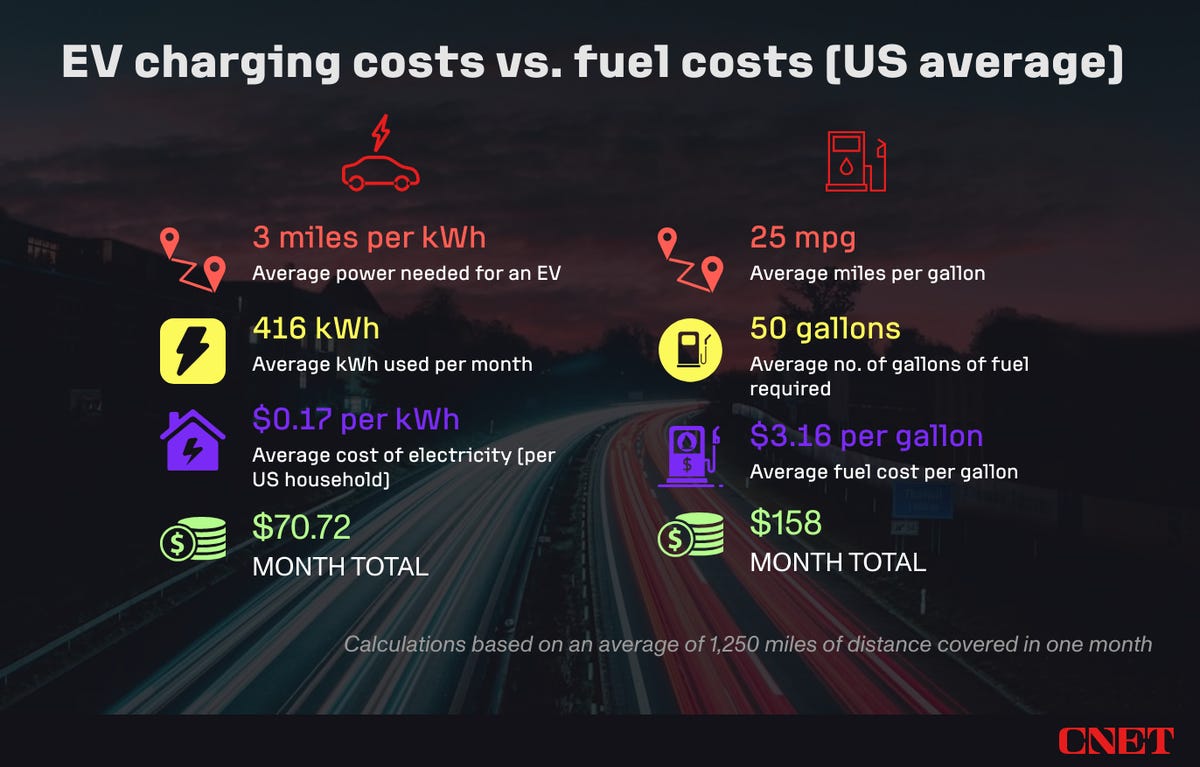
Are you curious about how much it really costs to charge an electric vehicle compared to filling up a gas tank? As more drivers switch to electric cars, understanding the financial difference between charging and refueling is more important than ever.
You want to make the best decision for your wallet and the environment, right? You’ll discover a clear and concise comparison of EV charging costs versus traditional gasoline prices in the USA. By the end, you will feel more confident in choosing the option that suits your lifestyle and budget.
Ready to find out which is more cost-effective for you? Let’s dive in!

Electricity Vs Gasoline Costs
Electric cars need electricity to charge. The cost depends on where you live. On average, charging an EV at home costs about 13 cents per kWh. A full charge costs between $6 and $12. Public charging stations might cost more. Prices can be different. Some are free, others charge by the minute.
Gasoline prices change often. The average price in the USA is about $3.50 per gallon. This can vary from state to state. Filling a tank costs between $30 and $60. It depends on the car and the state. Gasoline cars need refueling often.
Prices vary in different regions. In California, both electricity and gas are more expensive. In Texas, costs are usually lower. The region affects your fuel choice. Always check your local rates. This helps in planning your budget.
Factors Influencing Costs
Electric vehicle charging costs differ from gas expenses in the USA. Electricity rates vary by region, affecting EV costs. Gas prices fluctuate with oil market changes. Both factors influence the overall expense for vehicle owners. Understanding these can help make informed decisions about transportation costs.
Electricity Rates
Electricity rates vary across states. Some areas have higher electricity costs. This impacts EV charging expenses. Time of use rates may apply. Charging during peak hours costs more. Off-peak hours are cheaper. Choosing the right time saves money.
Fuel Taxes And Fees
Gas prices include taxes. EVs have different fees. Fuel taxes can raise the price significantly. States may have special taxes for EVs. These fees contribute to overall costs. Understanding these fees is essential. It helps in comparing costs effectively.
Vehicle Efficiency
Vehicle efficiency affects costs. Efficient EVs use less electricity. Gas cars vary in efficiency too. More efficient cars save money on fuel. Efficiency plays a key role in overall spending. Choose efficient models for lower costs.
Long-term Savings Analysis
Electric cars can save money. Gas prices often go up and down. Charging an EV at home is usually cheaper. Over the years, electric cars can cost less than gas cars. EVs often need fewer repairs. Gas cars need more parts and care.
EVs have fewer moving parts. This means fewer things can break. Oil changes are not needed for electric cars. This saves more money over time. Brake wear is less too because of regenerative braking. Regular checks are still important. But EVs usually cost less to keep running.
Electric cars can keep their value. Some people like buying used EVs. The demand for EVs is growing. This can help keep the resale value high. Some gas cars lose value fast. Electric cars may be a better choice for selling later.

Environmental Impact
Electric vehicles produce fewer carbon emissionsthan gas cars. EVs run on electricity. Gas cars burn fuel and release more CO2. Clean energy sources can power EVs too. This helps in reducing pollution.
Using renewable energy sources is growing. Solar, wind, and water are clean options. Charging stations can use these sources. This makes EVs even cleaner. Less pollution, better for the earth.
EVs help in saving the environment. They use less natural resources. Gas cars need oil and gas. EVs can use solar power. This makes them more sustainable. Better for future generations.
Government Incentives
Federal Tax Creditshelp lower the cost of electric cars. Buyers can save money. This makes electric cars cheaper. Credits can be worth thousands of dollars. People love saving money.
State-Level Rebatesalso help. Different states offer rebates. These rebates reduce the price of electric cars. Each state has its own rules. Some states offer big rebates. This makes electric cars a smart choice.
Infrastructure Investmentsare important too. The government builds charging stations. More stations make electric cars easier to use. Drivers find it easy to charge their cars. This helps the environment. Electric cars become more popular.

Future Trends In Ev And Gas Costs
Electric vehicle charging costs are becoming more competitive with traditional gas expenses in the USA. As technology advances, EV charging becomes more affordable, reducing overall transportation costs. This trend supports a shift towards sustainable energy solutions, providing consumers with economical and environmentally friendly options.
Market Projections
The demand for electric vehicles (EVs) is rising. EV prices are expected to drop. Gas prices may go up due to limited resources. People will likely buy more EVs in the future. EVs are cheaper to maintain. This makes them more attractive. The market will see a shift towards EVs.
Technological Advancements
Battery technology is improving. This means longer driving ranges for EVs. Charging stations are becoming more common. Fast chargers are also being developed. These changes make EVs more user-friendly. Gas cars are not evolving as quickly. EVs might soon be the better choice for many.
Policy Changes
Governments are supporting EVs. They offer tax breaks for EV buyers. Some places plan to ban gas cars. These policies help reduce pollution. Cleaner air is a big goal. EVs are part of the solution. More policies could boost EV sales even more.
Frequently Asked Questions
How Much Does Ev Charging Cost In The Usa?
The cost of EV charging varies widely. It depends on factors like electricity rates, charging location, and vehicle efficiency. On average, home charging costs about $0. 10 to $0. 20 per kilowatt-hour. Public charging stations might be more expensive, ranging from $0.
20 to $0. 50 per kilowatt-hour.
Is Ev Charging Cheaper Than Gas In The Usa?
Yes, EV charging is generally cheaper than gas in the USA. Electricity rates are lower than gasoline prices. Charging an EV at home costs less than fueling a gas car. However, public charging can be more expensive than home charging but still often costs less than gas.
What Factors Affect Ev Charging Costs?
Several factors impact EV charging costs. These include local electricity rates, the type of charger used, and charging location. Home charging is typically cheaper than public stations. Additionally, time-of-use electricity rates can affect costs, especially if charging during peak hours.
How Do Ev Charging Costs Compare To Gas?
EV charging costs are usually lower than gas prices. Charging an EV often results in significant savings over fueling a gas vehicle. The cost comparison depends on electricity rates and gas prices, which vary by location. EVs generally offer better energy efficiency, contributing to lower costs.
Conclusion
Choosing between EVs and gas cars depends on cost and lifestyle. Electric vehicles often save money on fuel. Gas prices can rise and fall. EV charging costs vary by location and provider. Consider how far you drive daily. Think about charging stations nearby.
Weigh the initial costs of each vehicle type. Maintenance costs differ too. Electric cars need less maintenance. Gas vehicles may need more frequent repairs. Research your area’s electricity rates. Make an informed choice that suits your needs.
Read More:
- 10 Costly Insurance Mistakes You Must Avoid at All Costs
- Insurance Myths vs Facts: What You’ve Been Getting Wrong
- Real Insurance Stories: When Coverage Saved the Day (and When It Didn’t)
- Do You Really Need This Insurance? Here’s the Truth No One Tells You
- Insurance 101: A Beginner’s Guide to Protecting What Matters Most
- Best Apps to Track Car Expenses: Maximize Savings
- Top Luxury SUVs for Families: Ultimate Comfort & Style
- Fuel Vs Electric Cost Per Mile: Savings Unveiled