Are you curious about how much it truly costs to drive each mile with fuel versus electric power? Understanding the cost per mile can be a game-changer for your wallet and the environment.
You might be surprised to learn how these costs stack up against each other, influencing not only your monthly budget but also your long-term financial planning. Imagine saving a significant amount of money every year just by choosing the right type of vehicle.
Whether you’re a daily commuter or an occasional driver, knowing the real numbers can help you make smarter choices. Dive into this article to uncover the unexpected truths about fuel and electric costs per mile, and discover which option could be the key to smarter spending and a cleaner planet. Keep reading to find out how you can drive smarter and save more.
Fuel Cost Breakdown
Gasoline is a popular choice for cars. Prices can change often. Many factors affect these prices. Supply and demand are big reasons. Taxes also play a part. Different countries have different taxes. This means prices vary widely.
Diesel is used in trucks and some cars. Diesel prices are usually higher than gasoline. It has more energy. This gives better mileage. Like gasoline, diesel prices change. Supply, demand, and taxes affect prices too.
Many things affect fuel costs. Oil prices are a big factor. When oil prices go up, so do fuel prices. Weather can affect costs too. Storms can disrupt supply chains. This makes prices rise.
Electric Cost Breakdown
Electric cars need electricity to run. Different places have different electricity rates. Some places have low rates. Others have high rates. Rates can change based on time. Night rates might be cheaper. Day rates might cost more. Knowing your local rate helps you save money.
Electric cars need charging stations. Home stations cost money. Public stations might have fees. Setting up home stationscan cost a lot. It’s a one-time cost. Public stations need payment each time. Find free stations to save money.
Electric costs can change. Weather affects costs. Cold days need more power. Hot days use less power. Car type matters. Big cars use more electricity. Small cars use less electricity. Driving speed affects costs. Fast driving uses more power. Slow driving saves power.
Comparing Fuel And Electric Costs
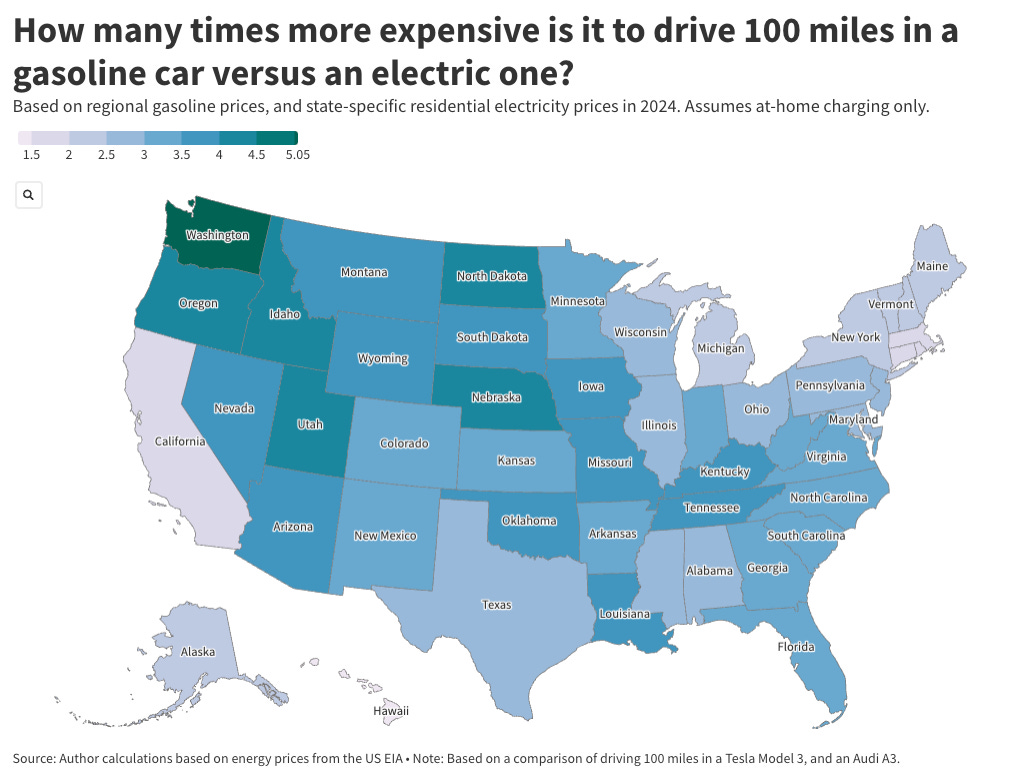
Cars need energy to move. Fuel cars use gas. Electric cars use electricity. Each has a cost per mile. Fuel cars usually cost more per mile. Gas prices can be high. Electric cars often cost less. Electricity is cheaper than gas. Charging at home saves more money. Electric cars are better for short trips.
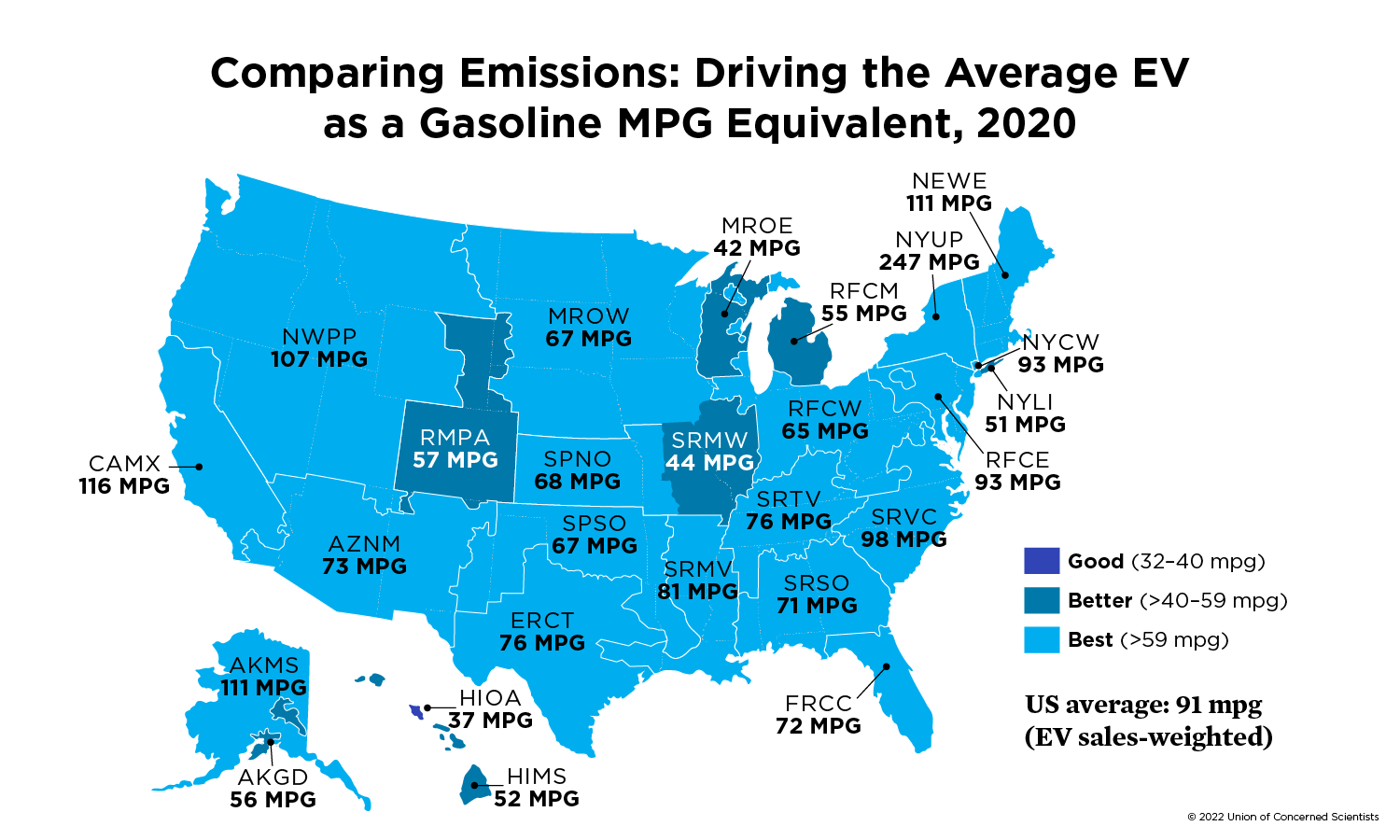
Different places have different costs. Gas prices can change a lot. Some areas have cheap gas. Others do not. Electricity prices also change. Some regions have cheap electricity. These places are good for electric cars. Always check local prices. It helps to know costs in your area.
Over time, costs add up. Fuel cars can be more expensive. Regular gas fill-ups cost a lot. Electric cars can save money in the long run. Fewer repairs mean less spending. Electric cars need less maintenance. Batteries last many years. Savings grow with every mile driven.

Environmental Impact
Fuel cars release harmful gases into the air. These gases pollute our planet. They come from burning gasoline or diesel. The more fuel we use, the more gases we make. This hurts the air we breathe. It also warms the Earth.
Electric cars use batteries to run. They do not burn fuel. This means less pollution. The air stays cleaner. Electric cars are better for the environment. They help keep our air fresh. They use renewable energy like wind and sun. This is good for the Earth.
Electric cars help the planet over time. They make less noise. They also save energy. Using electric cars means less oil drilling. This protects our land. They help reduce global warming. The Earth stays cooler. Electric cars are a smart choice for our future.
Technological Advancements
Cars use less fuel now. New engines work better. This means less cost per mile. Smart designs help save energy. Less pollution too. Fuel efficiency helps the planet. It keeps air clean. Modern cars are lighter. This helps them move easily. Fuel economy is important. It saves money. Engine technology keeps improving. People drive more miles for less money.
Electric cars need strong batteries. Battery technology is better now. They last longer. Charge faster too. Lithium batteries are popular. They power many cars. Long-lasting batteries mean less stops. Electric cars are quiet. They cost less per mile. Battery strength is key. It helps cars run far. Better batteries mean happier drivers.
Transportation will change soon. Self-driving cars might be common. Flying cars could be next. Electric buses are growing. They help cities stay clean. Public transport might use solar power. Trains might go faster. Future vehicles aim to cut costs. Green energy will be important. Technology keeps moving forward.
Consumer Perspectives
Many people see electric cars as a smart choice. They think these cars are good for the environment. Electric cars do not make smoke like regular cars. They are quiet and smooth. Some people worry about charging. Charging stations are not everywhere yet. But they know electric cars are getting better. Every year, more people like electric cars. They see them as the cars of the future.
People still like gas cars a lot. Gas cars are easy to find. They can drive long distances without stopping for fuel. Many people know how to fix gas cars. Electric cars are new for some people. But kids today might like electric cars more. They think electric cars are cool. They are fun to drive. This can change how people pick cars in the future.
Governments help people buy electric cars. They give money back when you buy one. This is called a rebate. Some places let electric cars use special lanes. This makes driving faster. People like these benefits. They make electric cars cheaper and more fun. More rules and help can make more people buy electric cars. This can change how we use cars someday.
Frequently Asked Questions
What Is The Cost Difference Per Mile?
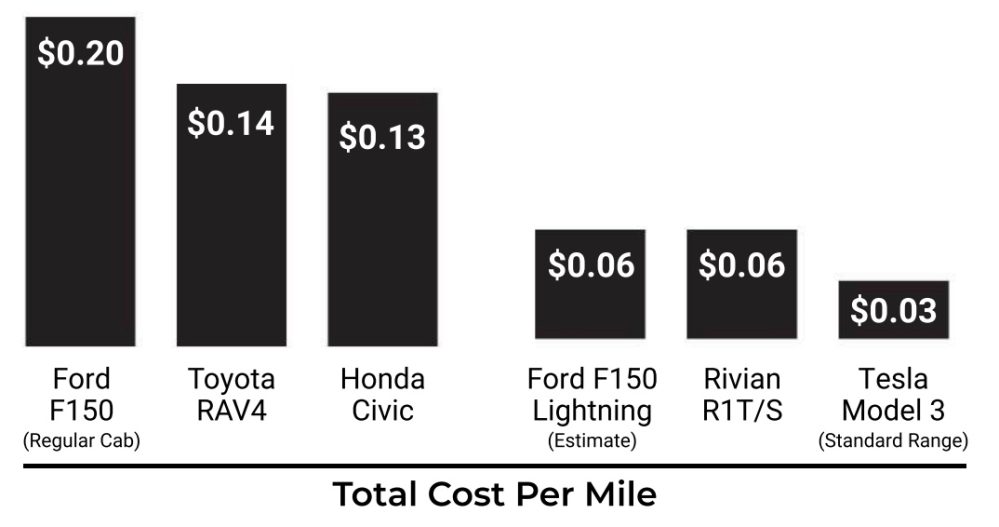
The cost difference per mile between fuel and electric varies. Electric vehicles typically have lower costs, averaging 3-5 cents per mile. Fuel-powered vehicles can cost 10-15 cents per mile. The actual cost depends on electricity rates, fuel prices, and vehicle efficiency.
How Does Weather Affect Mileage Cost?
Weather can impact mileage cost for both fuel and electric vehicles. Cold temperatures reduce battery efficiency, increasing electric costs per mile. Fuel vehicles may consume more fuel with increased heater use. Weather conditions like wind and rain can also affect vehicle aerodynamics, influencing overall cost per mile.
Are Maintenance Costs Different For Electric Cars?
Yes, maintenance costs differ between electric and fuel cars. Electric vehicles generally require less maintenance, saving costs on oil changes and fewer moving parts. Fuel vehicles might need regular engine maintenance, increasing overall expenses. However, electric cars may require battery replacements, which can be costly.
Do Electric Cars Have Hidden Costs?
Electric cars can have hidden costs. Battery replacement is a significant expense, potentially costing thousands of dollars. Charging infrastructure can also add costs if home installation is required. Insurance premiums for electric vehicles may be higher due to their higher market value.
Conclusion
Understanding fuel and electric costs per mile helps budget better. Electric vehicles often offer lower costs per mile. They can be more efficient and eco-friendly. Fuel vehicles may still hold appeal for long trips. Consider your driving habits and needs.
Evaluate energy prices in your area. Weigh all options before making a decision. Every mile counts in your choice. Choose wisely for your lifestyle and wallet. Balancing cost and convenience is key. Both options have unique benefits. Make an informed decision that suits you best.
Read More:
- 10 Costly Insurance Mistakes You Must Avoid at All Costs
- Insurance Myths vs Facts: What You’ve Been Getting Wrong
- Real Insurance Stories: When Coverage Saved the Day (and When It Didn’t)
- Do You Really Need This Insurance? Here’s the Truth No One Tells You
- Insurance 101: A Beginner’s Guide to Protecting What Matters Most
- Best Apps to Track Car Expenses: Maximize Savings
- Top Luxury SUVs for Families: Ultimate Comfort & Style
- Ev Charging Cost Vs Gas Comparison USA: Savings Unveiled