
Imagine a world where your car insurance bill reflects how you actually drive. Sounds appealing, right?
This is the promise of usage-based insurance (UBI). Instead of paying a flat rate, UBI lets you pay based on your driving habits. It’s a concept that’s gaining traction and for good reason. But is it the right choice for you?
We’ll explore the pros and cons of UBI. Whether you’re a cautious driver or someone who’s curious about saving money, understanding these points could help you make an informed decision. Stay with us as we unravel the potential benefits and drawbacks of this innovative insurance model that could transform how you think about car insurance.

What Is Usage-based Insurance?
Usage-Based Insurance, or UBI, lets drivers pay for how they drive. It uses technology to track driving habits. The system checks speed, distance, and time on the road. This can help safe drivers pay less. UBI is fair because drivers pay for what they use. It rewards careful driving.
Some people worry about privacy. The system collects a lot of data. Not everyone likes their driving tracked. But the data helps make roads safer. Insurance companies can learn more about risk. They can offer better prices to safe drivers. UBI can change how people drive. It encourages safer habits.
How Usage-based Insurance Works
Usage-based insurance is a type of car insurance. It adjusts your premium based on driving habits. Devices in your car track mileage, speed, and braking. This information helps insurers understand how you drive. Safe drivers may get lower rates. Data collection is key. It happens through telematics devices. These devices send data to insurance companies. The data tells insurers about your driving behavior. This process is often automatic.
Privacy is a concern for some drivers. Sharing personal driving data is required. Many worry about how their data is used. Insurers promise to protect this information. Yet, some feel uneasy about it.
Drivers benefit from personalized premiums. Safer drivers save money. This system rewards careful driving. Discounts are common for good drivers. Everyone can track their driving habits better. It offers a chance to improve driving skills.
Advantages Of Usage-based Insurance
Usage-based insurance offers personalized rates based on driving habits, potentially saving money. It also promotes safer driving by rewarding careful drivers. This approach aligns costs with actual usage, providing a fairer system for policyholders.
Cost Savings Potential
Usage-based insurance can help drivers save money. Premiums are based on how much you drive. Less driving can mean lower costs. This is good for people who drive less. It is also helpful for those with safe driving habits.
Personalized Premiums
Insurance rates are not the same for everyone. They are based on individual driving habits. This means each driver gets a fair rate. It is not only about age or experience. Your driving style plays a big part in what you pay.
Encouraging Safe Driving
Safe drivers can benefit from usage-based insurance. This type of policy rewards careful driving. Drivers become more aware of their habits. It helps them stay safe on the road. Good driving means better premiums.
Disadvantages Of Usage-based Insurance
Usage-based insurance uses data from your car. This can lead to privacy concerns. Some people worry about how their data is used. Companies collect and store this information. They might share it with others. This can make you feel uneasy. Protecting personal data is important. Think about how much information you want to share.
Insurance costs might go up with usage-based plans. If you drive more, you could pay more. Some drivers might not save money. High mileagecan increase your bill. Costs can change each month. Predicting your bill can be hard. Make sure to track your driving habits.
Technology used in these plans might fail. Devices can break or not work right. Glitchesmay occur with tracking systems. Errors can affect your insurance rates. Fixing tech problems can be tough. Reliable technology is key for accurate data.
Comparing Traditional Vs Usage-based Insurance
Traditional insuranceis simple. Pay the same amount every time. No matter how much you drive. This is good for those who drive a lot. But not for those who drive less. Usage-based insurancechanges this. Pay based on how much you drive. Drive less, pay less. It’s fair for everyone.
Usage-based plans use technology. Track driving habits. Safe drivers can save money. But some worry about privacy. Is data safe? Is it shared? These are important questions.
Choosing between them depends on driving style. Drive often? Traditional might be better. Drive less? Usage-based might save money. Think about what fits your life.
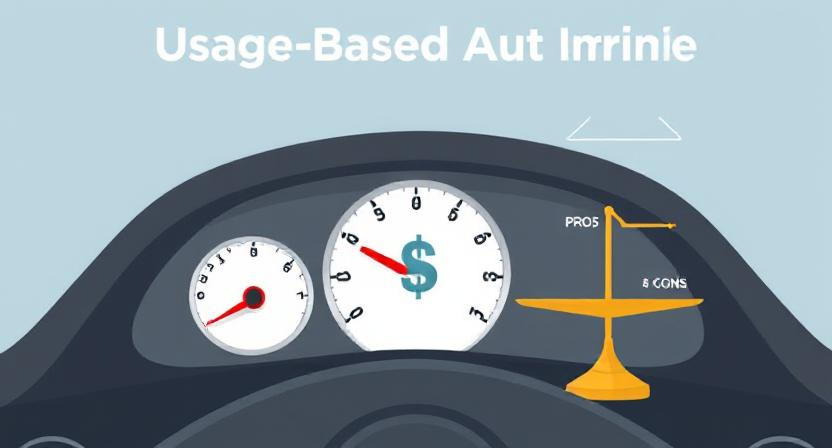
Both have pros and cons. It’s about finding the right balance. Your choice matters. Choose wisely.
Who Should Consider Usage-based Insurance?
Young drivers often face high insurance costs. Usage-based insurance can help them save money. This type of insurance rewards safe driving. It can be a great choice for those just starting out. By driving safely, they can get lower premiums. This helps them manage costs better.
People who drive less should consider usage-based insurance. They pay for the miles they drive. This is great for those who use public transport often. Less driving means lower costs. It’s a smart choice for saving money. They don’t have to pay for miles they don’t drive.
Those who love technology will enjoy this insurance. It uses devices to track driving habits. These devices connect to your car. They send data to the insurer. Tech-savvy people find this interesting. They enjoy using apps and gadgets. It’s a fun way to save on insurance.
Evaluating Your Driving Habits
Driving safely can save you money. Usage-Based Insurance (UBI) looks at how you drive. It checks your speed, braking, and distance. Drivers who are careful might get lower rates. Some people drive fast. Others stop suddenly. These habits could raise insurance costs. Using a smartphone app or a special device, insurance companies track your driving. This data helps set your insurance price. Privacy is a concern for some drivers. They worry about sharing their driving habits. But knowing your habits can make you a better driver.
It’s important to think about your driving style. Good habits can lead to discounts. Bad habits might cost more money. Always drive safely and follow road rules. This helps keep insurance costs low.
Choosing The Right Insurance Provider
Choosing insurance is important. A provider’s reputation matters. Reliable companies offer peace of mind. Trust is key in insurance. Check reviews before deciding. Good reviews mean happy customers. Reliable providers pay claims quickly. Avoid companies with many complaints. Stability is essential in insurance. Established companies are often stable. Longevity is a sign of trust. Choose providers with a good history.
Modern insurance uses technology. Usage-based insurance tracks driving. Tracking helps set fair rates. Features vary between providers. Some offer mobile apps. Apps can show driving data. Others have online dashboards. Dashboards are easy to use. Technology can improve convenience. Choose providers with useful features. Features should fit your needs. Consider what technology you value.
Customer support is crucial. Good support helps solve problems. Look for 24/7 support options. Quick responses are important. Friendly staff make a difference. Support should be easy to reach. Phone and email are common. Some offer chat support. Chat is fast and convenient. Reliable support builds trust. Choose providers known for good support.
Future Of Usage-based Insurance
The future of Usage-Based Insurance (UBI)looks promising. More people want fair insurance prices. With UBI, you pay for how you drive. Drive safely, and you save money. This type of insurance uses technology. Devices track your driving habits. It checks your speed and braking patterns. Good drivers get rewards. Insurers offer discounts for safe driving.
As technology grows, UBI will also grow. Cars will have more tracking devices. These devices help both drivers and insurers. They provide data for better pricing. People like personal and fair options. UBI gives them that.
There are challenges too. Privacy is a big concern. People worry about their data. Insurers must protect it. Despite challenges, UBI is here to stay. It offers a new way to think about insurance.
Frequently Asked Questions
What Is Usage-based Insurance?
Usage-based insurance is a type of car insurance. It calculates premiums based on driving behavior and usage. It uses telematics to track driving habits. This includes speed, distance, and time. Drivers can potentially save money with safer driving. It offers flexibility and personalized pricing.
How Does Usage-based Insurance Work?
Usage-based insurance uses telematics technology. This technology collects data from your vehicle. It monitors driving habits like speed and mileage. Insurers analyze this data to determine premiums. Safer drivers often enjoy lower rates. The system promotes responsible driving.
What Are The Benefits Of Usage-based Insurance?
Usage-based insurance offers several benefits. It provides personalized pricing based on driving habits. Safe drivers can save money on premiums. It encourages responsible driving behavior. Drivers receive feedback on their driving patterns. It offers flexibility and potentially lower costs.
Are There Privacy Concerns With Usage-based Insurance?
Yes, privacy concerns exist with usage-based insurance. It involves tracking driving data. Some drivers worry about data security. Insurers must ensure data protection. Transparency in data usage is crucial. Drivers should understand what data is collected. It’s essential to know how data is used.
Conclusion
Usage-based insurance offers both benefits and drawbacks. Lower premiums attract careful drivers. Privacy concerns arise with data tracking. Accurate data can lead to fair pricing. Some find the constant monitoring stressful. Discounts may not always be significant. Ideal for drivers with low mileage.
Not suitable for those with unpredictable driving patterns. Consider your driving habits and privacy comfort level. Weigh the pros and cons carefully. Choose the best option for your needs. Make informed decisions to save money and stay covered.
Read More:
- 10 Costly Insurance Mistakes You Must Avoid at All Costs
- Insurance Myths vs Facts: What You’ve Been Getting Wrong
- Real Insurance Stories: When Coverage Saved the Day (and When It Didn’t)
- Do You Really Need This Insurance? Here’s the Truth No One Tells You
- Insurance 101: A Beginner’s Guide to Protecting What Matters Most
- Best Apps to Track Car Expenses: Maximize Savings
- Top Luxury SUVs for Families: Ultimate Comfort & Style
- Ev Charging Cost Vs Gas Comparison USA: Savings Unveiled